Axolotl Care 101: The Essential Guide for Beginners and Hobbyists
- Q. Meaks
- Jan 5
- 5 min read

Axolotls require specialized care parameters. These aquatic salamanders demand consistent water conditions and specific equipment. Proper setup prevents common health issues and extends lifespan to 10-15 years.
Tank Size Requirements
Minimum tank size is 20 gallons for one adult axolotl. Add 10 gallons per additional axolotl. Larger tanks provide better water stability. Long tanks work better than tall tanks due to axolotl behavior patterns.
Tank dimensions should prioritize floor space over height. A 40-gallon breeder tank measures 36x18x16 inches. This configuration supports natural movement and reduces territorial stress.
Critical Water Parameters
Water temperature must remain between 60-68°F (15-20°C). Temperatures above 70°F cause stress and illness. Water chillers are required in most climates. Room temperature typically exceeds axolotl requirements.
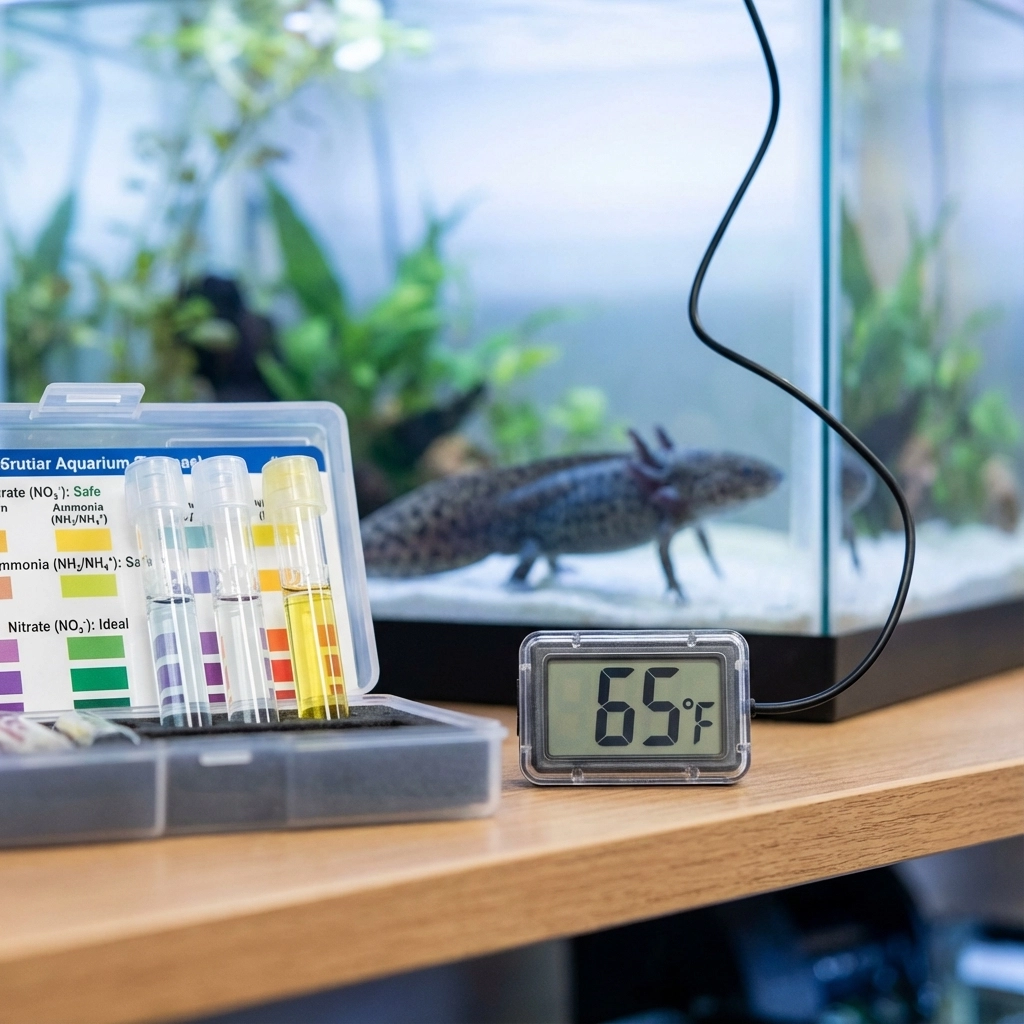
Ammonia and nitrite levels must register 0 ppm. Nitrates should remain below 20 ppm. pH range between 6.5-8.0 works acceptably. Water hardness should stay moderate to prevent skin issues.
Test water parameters weekly using liquid test kits. Strip tests provide insufficient accuracy for axolotl care. Digital thermometers offer better precision than glass thermometers.
Substrate Selection
Fine sand particles smaller than 1mm diameter provide safe substrate. Larger particles create impaction risks when ingested. Avoid gravel, stones, or decorative substrates entirely.
Bare bottom tanks work for juvenile axolotls under 6 inches long. Sand becomes safe once axolotls reach adult size. Pool filter sand provides appropriate grain size and cost efficiency.
Clean substrate thoroughly before installation. Rinse until water runs clear. Maintain 1-2 inch depth across tank bottom.
Sand as the Ideal Substrate for Axolotl Tanks
Sand is the recommended substrate for axolotls. Fine, rounded grains protect delicate feet. Sand passes safely if swallowed. Gravel and large pebbles can be ingested and cause impaction. Avoid mixed substrates that include gravel or pebbles. Use inert, silica-based aquarium sand at 1-2 inches depth. Rinse until discharge water is clear. QScapes stocks axolotl-safe aquarium sand in Altoona, PA. QScapes provides substrate specification and setup guidance for axolotl safety.
Filtration Systems
Canister filters provide optimal mechanical and biological filtration. Flow rate should turn tank volume 3-4 times per hour. Reduce flow using spray bars or filter media to prevent strong currents.
Sponge filters supplement canister systems effectively. They provide additional biological surface area without creating excessive water movement. Air pumps power sponge filter operation.
Hang-on-back filters work for smaller setups. Baffle output flow to reduce current strength. Add filter media specifically designed for biological filtration capacity.
QScapes stocks professional-grade filtration systems designed for sensitive species. Our aquascaping supply selection includes axolotl-appropriate equipment for Altoona, PA residents.
Water Conditioning Requirements
Use dechlorinator products that neutralize chlorine and chloramines. Seachem Prime removes harmful chemicals while detoxifying ammonia and nitrites temporarily. Fritz Complete provides similar protection.
Avoid conditioners containing aloe vera or plant extracts. These additives prove toxic to axolotl gill structures. Read ingredient lists carefully before purchase.
Add conditioner to new water before tank introduction. Follow dosage instructions precisely. Overdosing creates additional chemical stress on axolotl systems.
Weekly Maintenance Schedule
Perform 25-30% water changes weekly. Remove waste manually using turkey baster or gravel vacuum. Clean substrate surface without disturbing beneficial bacteria colonies.
Test water parameters before and after water changes. Record results to track system stability over time. Adjust maintenance frequency based on bioload and water quality readings.
Remove uneaten food within 2-3 hours of feeding. Decomposing food spikes ammonia levels rapidly. Monitor axolotl eating behavior to adjust portion sizes appropriately.
Feeding Protocol
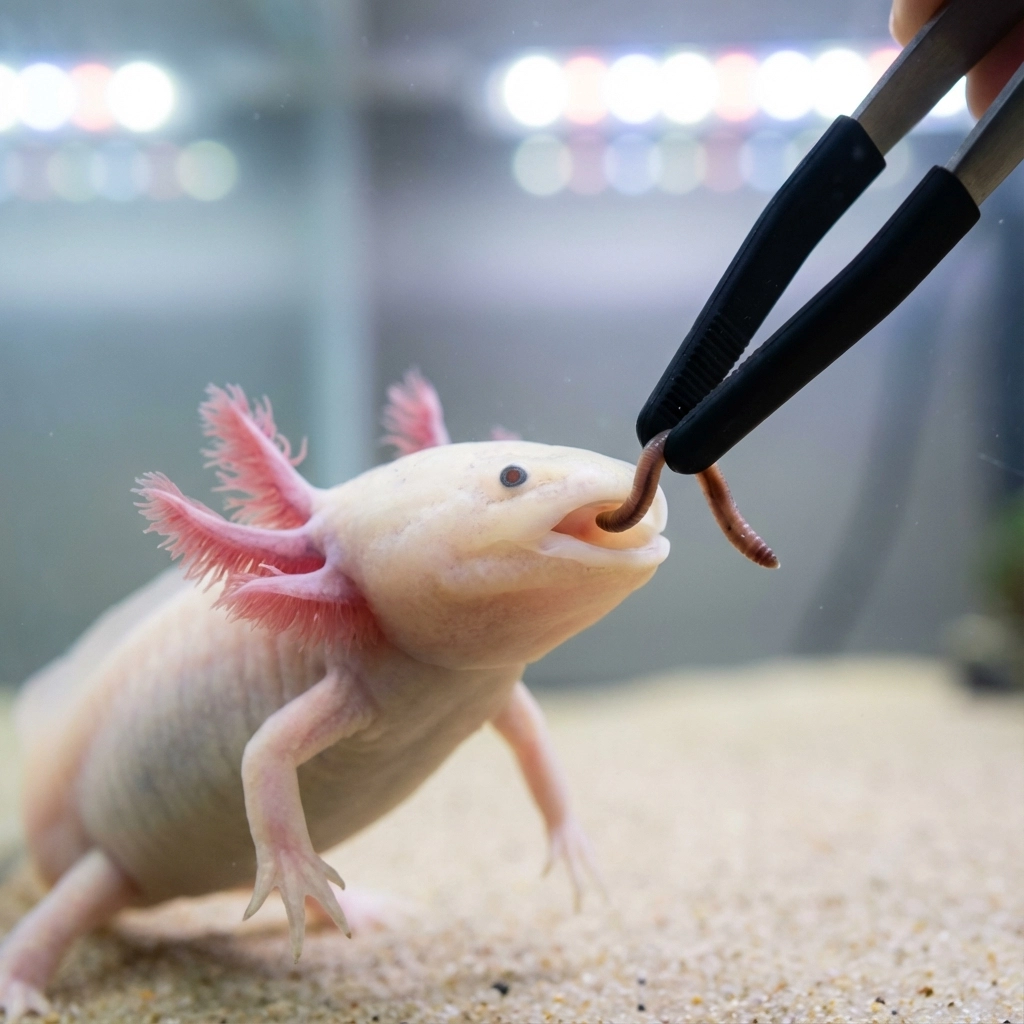
Feed adult axolotls 3-4 times weekly. Offer earthworms, nightcrawlers, or high-quality sinking pellets. Portion size equals what axolotl consumes in 5-10 minutes.
Juvenile axolotls require daily feeding until reaching adult size. Use smaller food items appropriate for mouth size. Bloodworms and small earthworm pieces work effectively.
Feed using feeding tongs or turkey baster for direct delivery. This method ensures food reaches intended axolotl and prevents competition issues. Train axolotls to feed from specific locations.
Frozen foods require thawing to room temperature before offering. Rinse frozen foods to remove excess phosphates and preservatives. Quality frozen foods include bloodworms, brine shrimp, and mysis shrimp.
Tank Setup and Enrichment
Provide hiding places using caves, PVC pipes, or terracotta pots. Axolotls require security zones to reduce stress levels. One hide per axolotl minimum prevents territorial conflicts.
Live plants improve water quality through nutrient uptake. Java fern, anubias, and hornwort tolerate cool water conditions. Attach plants to hardscape rather than planting in substrate.
Use smooth decorations without sharp edges or small parts. Inspect all items for potential ingestion hazards. Remove any decoration showing wear or damage immediately.
Our aquascape store near Altoona carries specialized axolotl-safe decorations and live plants. QScapes provides consultation for appropriate tank design and species selection.
Common Setup Mistakes
Using inappropriate substrate causes impaction injuries requiring veterinary intervention. Small gravel, glass beads, and decorative stones create serious health risks. Stick to fine sand or bare bottom configurations.
Inadequate filtration leads to poor water quality and bacterial infections. Undersized filters cannot process axolotl waste loads effectively. Calculate filtration capacity based on bioload rather than tank volume alone.
Temperature fluctuations stress axolotl immune systems. Room temperature changes affect tank temperatures without chillers. Invest in reliable temperature control equipment from the start.
Overfeeding creates water quality problems and obesity issues. Axolotls consume food opportunistically and cannot regulate intake naturally. Monitor body condition and adjust feeding accordingly.
Acclimation Process
Float sealed transport container for 15-20 minutes to equalize temperatures. Add small amounts of tank water to container every 5 minutes for 30-45 minutes total. Use net to transfer axolotl without introducing transport water.
Monitor new axolotl behavior for 48-72 hours post-introduction. Stress signs include reduced activity, pale coloration, or refused food. Maintain stable conditions during adjustment period.
Quarantine new axolotls in separate systems for 2-4 weeks before community introduction. This protocol prevents disease transmission to established animals. Use identical water parameters in quarantine systems.
Health Monitoring
Observe axolotl gills for proper coloration and movement. Healthy gills appear bright red with active filament motion. Pale, damaged, or motionless gills indicate health problems requiring attention.
Monitor eating behavior and waste production patterns. Healthy axolotls show consistent appetite and regular defecation. Changes in either pattern suggest underlying health issues.
Check skin condition for lesions, fungal growth, or unusual coloration. Healthy skin appears smooth and consistent in color. White cotton-like growths indicate fungal infections requiring treatment.
Professional Setup Services
QScapes offers complete axolotl system design and installation services throughout the Altoona area. Our team selects appropriate equipment and establishes proper water chemistry before axolotl introduction.
Professional maintenance services ensure consistent water quality and system performance. Regular service visits include parameter testing, equipment inspection, and feeding guidance.
Our aquarium hardscape near me selection includes axolotl-appropriate decorations and substrate materials. We source species-specific equipment not available through general pet retailers.
Contact QScapes for axolotl setup consultation and ongoing support. Our aquascape supplies near me inventory includes specialized products for successful axolotl keeping. We provide local expertise for Altoona, PA aquatic enthusiasts.
Visit our facility to examine axolotl setups and discuss specific requirements. Professional guidance prevents costly mistakes and ensures long-term success with these unique amphibians.
Comments