How to Build the Perfect Aquascape: Step-by-Step Guide for Showstopping Tanks
- Q. Meaks
- Jan 6
- 5 min read

Building a high-performance aquascape requires planning, correct materials, and precise execution. QScapes provides full-service design, installation, and ongoing maintenance in Altoona and central Pennsylvania. Professional builds and complete tank revamps are available. Schedule a design consult. Book an aquarium rescue. Enroll in a maintenance plan. In-store demonstrations are available for hands-on learning. DIY support is provided alongside done-for-you services.
Essential Materials for Success
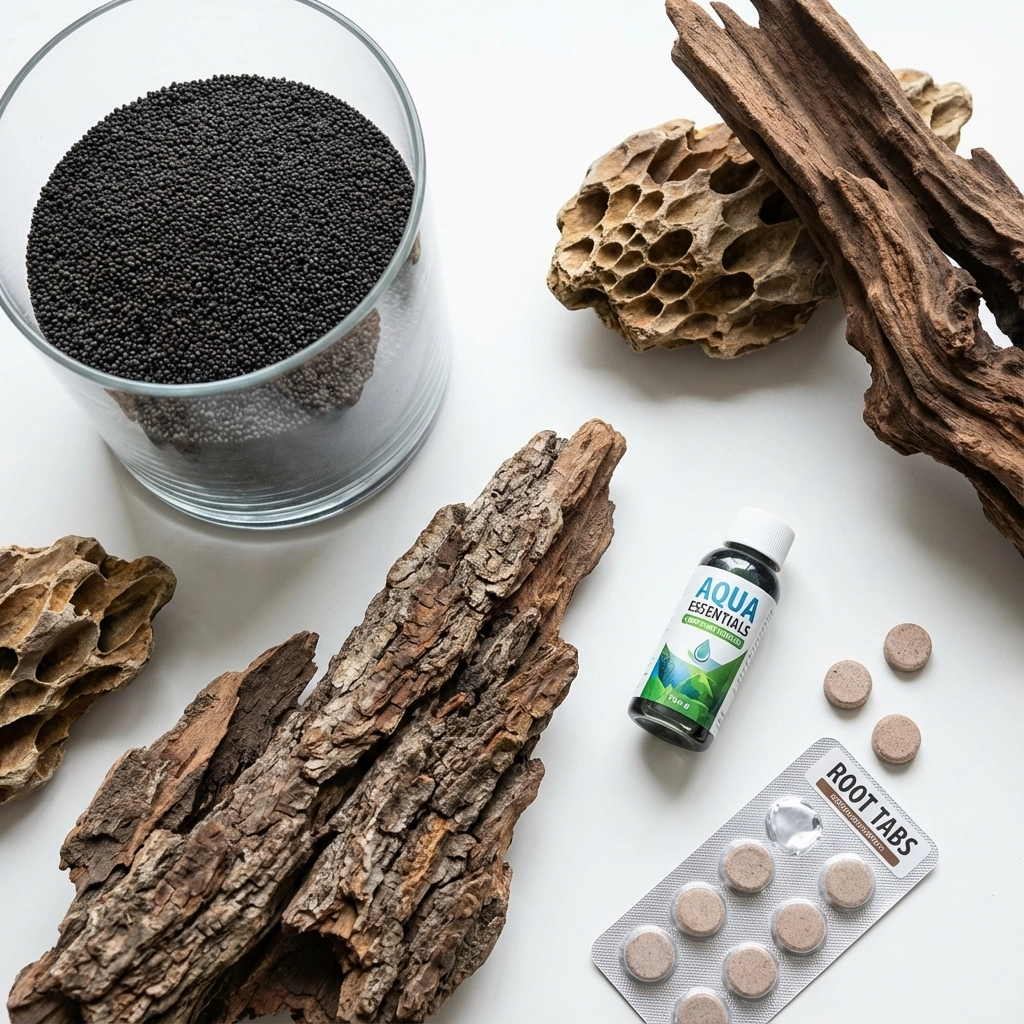
Quality substrate forms the foundation of any successful aquascape. Use fine-grain aqua soil for planted tanks or inert sand for fish-focused displays. Dragon stone and Malaysian driftwood provide the best hardscape options for beginners.
Live plants require specific lighting and CO2 systems. LED fixtures with adjustable spectrums work best for most setups. Canister filters maintain water clarity without disrupting plant growth.
QScapes designs, installs, and maintains complete freshwater systems, including substrate, hardscape, lighting, CO2, and filtration.
Step 1: Planning Your Layout Style
Three primary compositions create professional results. Concave layouts place tall elements on both sides with open space in the center. This style works best for beginners and creates natural viewing angles.
Triangular compositions feature high elements on one side tapering to low elements on the opposite side. This creates dynamic visual flow and works well in larger tanks.
Convex layouts center the highest elements with lower elements on both sides. This mountain-style approach requires advanced planning but creates dramatic focal points.
Step 2: Substrate Preparation
Layer substrate to create depth and visual interest. Place 2-3 inches of aqua soil as the base layer. Add root tabs if using inert substrates like sand or gravel.
Slope substrate from back to front. This creates depth illusion and improves water circulation. Higher substrate in the back supports taller plants and hardscape elements.
Pro tip: Dampen substrate slightly before adding hardscape. This prevents shifting during the build process and allows precise positioning of rocks and wood.
Step 3: Hardscape Installation
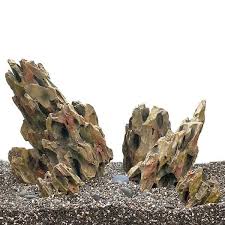
Position main hardscape elements according to your chosen composition. Use the rule of thirds to place focal points at intersecting lines rather than center positions.
Dragon stone creates natural-looking rock formations. Stack pieces securely to prevent collapse. Leave gaps between rocks for plant placement and fish swimming areas.
Malaysian driftwood adds organic shapes and natural tannins. Soak wood for 48 hours before installation to reduce floating. Attach wood pieces using aquarium-safe adhesive for complex arrangements.
Create visual pathways through hardscape placement. Fish and viewer attention should flow naturally through the display without hitting dead ends or visual barriers.
Step 4: Plant Selection and Placement
Divide your tank into three planting zones. Foreground plants stay under 4 inches tall. Midground plants range from 4-8 inches. Background plants exceed 8 inches at maturity.
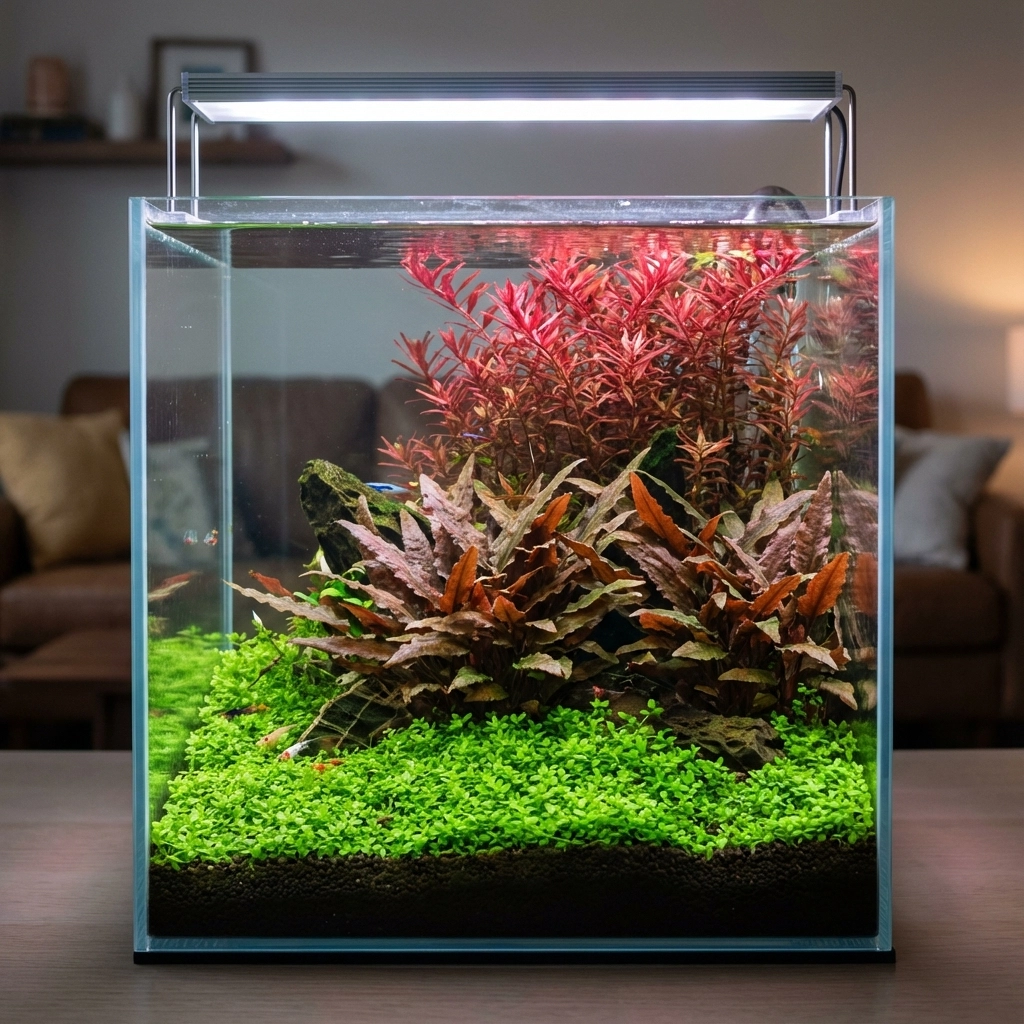
Foreground carpeting plants like Dwarf Baby Tears require high light and CO2. Plant small portions 2 inches apart to allow spreading. Monte Carlo works better in lower-tech setups.
Midground plants include Cryptocoryne species and Anubias varieties. These adapt to various lighting conditions and grow slowly, reducing maintenance requirements.
Background stem plants like Rotala and Ludwigia create color and height. Plant stems in groups of 3-5 for natural appearance. Trim regularly to maintain shape and prevent shadowing of lower plants.
Step 5: Water and Equipment Installation
Fill tanks slowly to prevent substrate disruption. Use a clean plate or your hand to deflect water flow. Treated tap water works for most aquascapes. RO water requires remineralization for plant health.
Install filtration after filling. Canister filters provide superior water polishing without creating excessive current. Position intake and output on opposite sides for optimal circulation.
CO2 injection accelerates plant growth and improves coloration. Start with 1 bubble per second and adjust based on plant response. Drop checkers monitor CO2 levels accurately.
Lighting schedules affect plant health and algae growth. Start with 6-hour photoperiods and increase gradually. Dimmer controls help plants adapt to new conditions.
QScapes performs full-system installation, equipment commissioning, and initial cycling support.
Fish Selection for Aquascapes
Choose fish that complement your plant display. Small schooling fish like Cardinal Tetras create movement without disturbing plants. Avoid large or aggressive species that uproot vegetation.
Bottom-dwelling fish help with maintenance. Otocinclus catfish consume algae without damaging plants. Corydoras species sift substrate gently and add activity to lower tank areas.
Stock gradually to allow biological filtration to mature. Add 25% of your final fish load initially. Monitor water parameters during the establishment period.
QScapes maintains live display tanks with proven aquascaping fish combinations at the Altoona showroom. Schedule an in-store demo or design consult to confirm compatibility and finalize stocking plans.
Maintenance Schedule for Long-Term Success
Weekly water changes maintain plant health and prevent algae issues. Replace 20-30% of total volume using treated water at matching temperature.
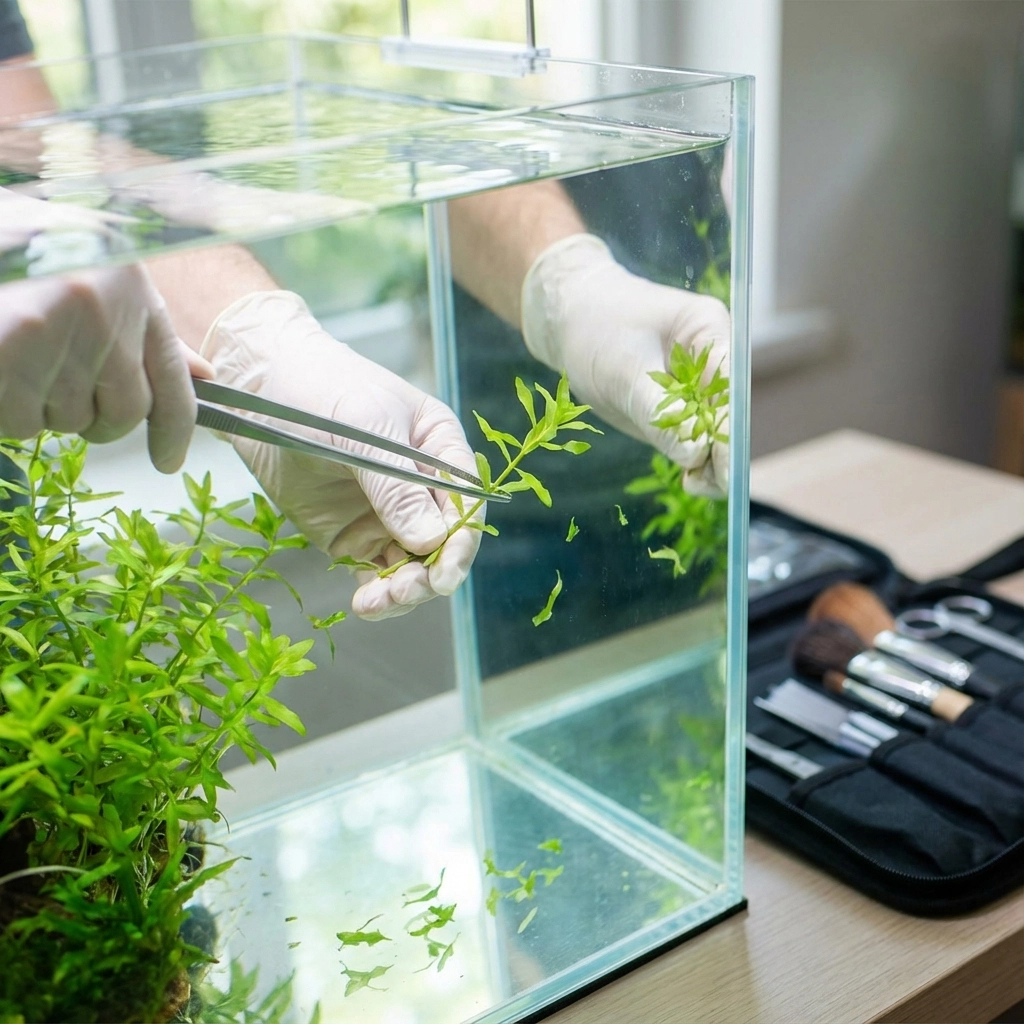
Trim plants monthly to maintain desired shapes and prevent overgrowth. Remove dead or yellowing leaves immediately to prevent nutrient imbalances.
Test water parameters weekly during the first month. Ammonia and nitrite should remain at zero. Nitrate levels under 20ppm indicate healthy biological filtration.
Fertilize regularly based on plant demands. Liquid fertilizers work well for most setups. Root tabs supplement heavy-feeding plants like Amazon Swords.
QScapes provides weekly, biweekly, and monthly maintenance plans. Book an aquarium rescue for algae, water quality, or livestock emergencies in Altoona and central Pennsylvania.
Common Mistakes to Avoid
Rushing the setup process leads to problems later. Allow substrate to settle and water to clear before adding fish. Plant establishment takes 4-6 weeks before showing significant growth.
Overcrowding plants creates competition and stunted growth. Follow spacing recommendations for each species. Dense planting looks impressive initially but becomes problematic over time.
Inadequate lighting causes poor plant health and encourages algae growth. Calculate lighting requirements based on tank depth and plant species. Upgrade fixtures when needed rather than compromising plant health.
Skipping water treatment affects both fish and plants. Chlorine and chloramines in tap water damage biological systems. Always use appropriate water conditioners.
Professional Results at Home
Creating showroom-quality aquascapes requires precise planning, equipment selection, and systematic maintenance. QScapes offers end-to-end services: design, installation, and ongoing maintenance. Aquarium rescue and full tank revamps are available.
In-store demonstrations show planting, filtration setup, CO2 tuning, and maintenance standards. DIY guidance is provided alongside done-for-you options. Schedule a design consult. Book an aquarium rescue. Enroll in a maintenance plan. Service area: Altoona and central Pennsylvania.
Visit QScapes for Expert Guidance
Professional-grade supplies, live plants, and hardscape are in stock at QScapes. In-store demonstrations are provided for equipment, layout, and maintenance.
Full-service design, installation, and maintenance are available for homes and businesses. Professional builds and complete revamps are provided.
Next steps:
Schedule a design consult.
Book an aquarium rescue.
Enroll in a maintenance plan.
Location: Altoona. Primary service area: central Pennsylvania. Visit the showroom or request service at qscapes.fish.
Comments